When Should My Child First See a Pediatric Dentist?
We recommend bringing your child in by their first birthday, or within six months of that first tooth appearing—whichever comes first. That timing surprises a lot of parents. Most families don't hear about this until their child is already two or three, so if that's you, don't worry. You're not behind—what matters is starting now.
You're probably wondering: Will my one-year-old even sit still? Is this really necessary, or just another appointment to squeeze in? What will this cost, and will insurance cover it? These questions make complete sense, especially when that first tooth feels like it just showed up yesterday.
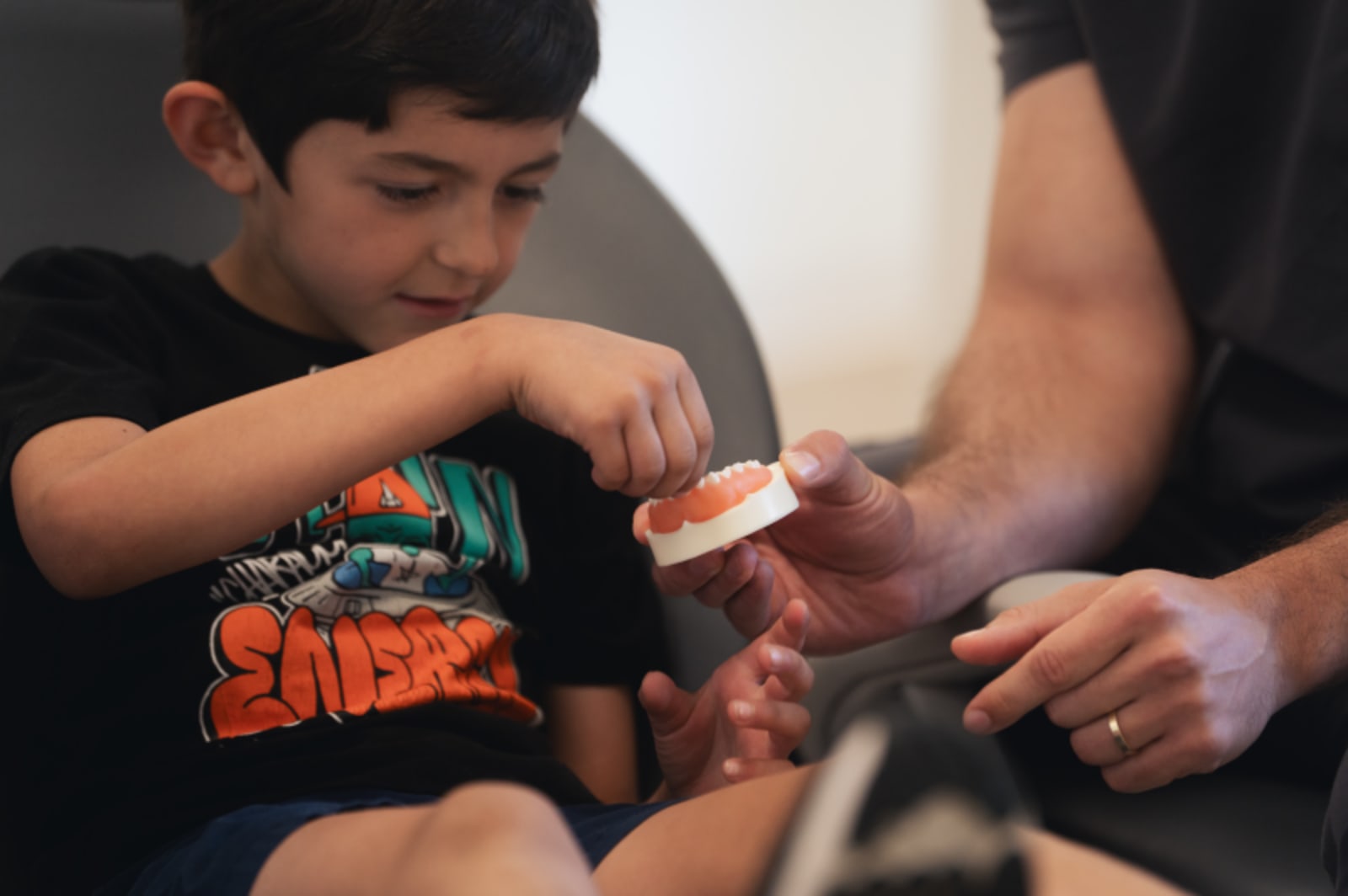
That first visit isn't about procedures or x-rays. It's about building a relationship with a dental home your child can trust as they grow. Think of it like a well-child visit with your pediatrician: gentle, informational, focused on helping your little one feel comfortable. You'll leave knowing where your child's development stands, what to watch for, and how to support healthy habits at home.
Most importantly, you'll know whether our team feels like the right fit for your family. That relationship makes every future visit easier for both you and your child.
What You'll Learn in This Guide
- Why age one matters: The real reasons behind early dental visits and what happens if you start later
- What actually happens: A realistic walkthrough of your child's first appointment
- Age-by-age milestones: What to expect and watch for as your child grows
- When to call early: Signs that warrant a visit before your scheduled checkup
- How to prepare: Simple steps to make the experience positive for both of you
- Why specialists matter: How pediatric training makes a difference in your child's care
The Age-One Recommendation: Where It Comes From and Why It Matters

Both the American Academy of Pediatrics and the American Academy of Pediatric Dentistry recommend that children see a dentist by their first birthday, or within six months of the first tooth coming in. If that timeline surprised you, you're not alone.
The timing actually makes a lot of sense when you consider what's happening during that first year:
- Baby teeth have thinner enamel than permanent teeth, so problems can develop faster than you might expect. Catching small issues early helps us prevent them from becoming painful problems later.
- Feeding habits, sleep patterns, and pacifier use are all shaping your child's mouth during this time. Small adjustments made early are much easier than trying to make changes later.
- A first visit lets us get to know your child and track their development over time, rather than meeting them for the first time when there's already a concern.
Children who start early usually develop positive feelings about dental visits that stay with them as they grow.
This is when choosing a pediatric specialist really matters. A pediatric dentist like Dr. Ross has completed additional years of specialty training beyond dental school, focused specifically on child development, behavior, and how children's teeth and jaws grow and change. When you're looking at providers, board certification and experience with children your child's age are important things to consider.
What If My Child Already Missed That Window?
If you're reading this because your child is already two, three, or five, and you're just now learning about the age-one recommendation, you're probably feeling a little panicked, but rest assured, you haven't missed anything super critical.
Most children who come to us at two, three, or even five have perfectly healthy mouths. The age-one recommendation is about building comfort and good habits early—not because something terrible happens if you wait. A child starting at three or five isn't at any disadvantage. We simply meet them where they are.
What Changes at Different Ages
The main difference is what happens during that first visit. An 18-month-old gets a gentle introduction and quick peek. A three-year-old might be ready for a gentle cleaning if they're comfortable. At five, we can do a more complete exam and address any habits that might need attention.
Starting later doesn't automatically mean expensive treatment. Most kids need basic preventive care regardless of when they start. If we do spot something that needs attention, addressing it sooner rather than later is always easier and less expensive.
Dr. Ross and our team will walk you through what makes sense for your child's specific age and situation. You can learn more about what to expect at your child's first visit, or call us at (303) 827-0606 if you want to talk through your specific situation first.
What to Expect as Your Child Grows
Every child develops at their own pace, but knowing the general timeline helps you spot what's normal and when something might need attention. Here's what typically happens at each stage.
Birth to 12 Months: Those First Little Teeth
Most babies get their first tooth around six months, though anywhere from four to twelve months is normal. Once that first tooth appears, it needs care right away—baby teeth have thinner enamel than permanent teeth, so problems can develop faster. Before teeth come in, wipe gums with a soft cloth after feeding. Once teeth appear, use a soft-bristled toothbrush with just water.
Ages 1 to 3: Building Daily Habits
This is when routines start to stick, and when some challenging habits can form. Brush twice daily with a rice-sized amount of fluoride toothpaste (we know toddler cooperation varies day to day). Weaning from the bedtime bottle prevents "bottle rot"—brown spots that develop when milk or juice pools on teeth overnight. Watch for white or dark spots on teeth, or if your child suddenly avoids certain foods. And those gaps between baby teeth? That's actually good; it means there's space for the larger permanent teeth coming later.
Ages 3 to 5: All Baby Teeth Are In
By age three, all 20 baby teeth are usually in place, and kids start having opinions about dental visits. Regular six-month checkups help normalize dental care before anxiety develops. Keep an eye on bite changes, pacifier use beyond age three, or complaints about tooth sensitivity. Thumb-sucking worries many parents at this age—most children stop naturally, but if it continues past age four, we can suggest gentle approaches that don't create power struggles.
Ages 6 to 8: Permanent Teeth Begin
Baby teeth start getting loose, and permanent molars appear in the back (without replacing anything—they're additions). Parents often worry about timing, but losing the first tooth anywhere from age five to seven is normal. Those new back molars need extra attention since their deep grooves are hard to clean thoroughly with regular brushing.
Ages 7 to 10: Orthodontic Evaluation
An orthodontic screening makes sense now, not because every child needs braces, but because some bite and jaw issues are easier to address while children are still growing. Dr. Cuong Dao takes a conservative approach, recommending treatment only when it's truly beneficial. Not every crooked tooth requires immediate intervention. Having both a pediatric dentist and orthodontist in one office means this evaluation happens naturally as part of your child's ongoing care.
Signs Your Child Should See a Dentist Before Their Scheduled Visit
Most dental visits happen on a regular schedule, but sometimes your child needs to be seen sooner. Here are the signs that warrant a call to the office:
- Pain or sensitivity: If your child complains about tooth pain, especially when eating or drinking something cold or sweet, that's worth checking out right away. Pain is your child's way of telling you something needs attention.
- Visible changes: White spots, dark spots, or brown areas on teeth can be early signs of decay. Swollen, red, or bleeding gums also need a look. Sometimes parents notice these changes before a child feels any discomfort.
- Injury to the mouth: Falls, sports injuries, or accidents that affect the teeth or mouth should be evaluated, even if everything looks fine at first. Sometimes damage isn't immediately visible.
- Changes in eating habits: If your child suddenly avoids certain foods, chews only on one side, or seems uncomfortable while eating, their mouth might be bothering them more than they're letting on.
- Persistent bad breath: While occasional bad breath is normal, persistent bad breath that doesn't improve with brushing might indicate an underlying issue.
When in doubt, give us a call at (303) 827-0606. We're always happy to talk through what you're noticing and help you decide whether your child needs to be seen sooner rather than later. It's better to check and find everything's fine than to wait and wish you'd called earlier.
How to Prepare Your Child (and Yourself) for the First Visit
The night before your appointment, you might find yourself wondering what to expect or how to help your child feel ready. That's completely normal. Most parents feel a mix of excitement and nerves before that first dental visit.
Here's the thing: your child will pick up on your energy. If you're calm and positive about the visit, they're more likely to feel that way too. If they're old enough, try to keep it simple when you talk about it—mention that they'll meet a friendly dentist who helps keep teeth healthy and strong.
Simple Ways to Help Your Child Feel Ready
- Read a book about visiting the dentist together
- Practice opening wide and counting teeth at home
- Avoid using words like "shot," "hurt," or "don't worry"
- Bring a comfort item if your child has one
- Plan something fun to do afterward
What to Bring
Just your insurance card if you have dental coverage, and any comfort items your child might want. The visit usually takes about 45 minutes, so there's no rush.
Why Choosing a Pediatric Specialist Makes a Difference
Many parents wonder if the extra training really makes a difference, especially when their family dentist seems perfectly capable. General dentists are skilled, caring providers. But pediatric dentists spend an additional two to three years in specialized training focused entirely on children.
When you're looking at specialists, board certification through the American Board of Pediatric Dentistry is what to look for. Dr. Ross is a Diplomate and Board Certified, which means he's passed comprehensive examinations and meets the highest standards in pediatric dentistry.
Here's what that specialized training brings to your child's care:
- Understanding how children develop and what that means for their oral health at every stage
- Gentle techniques that help anxious or resistant kids feel safe instead of overwhelmed
- Experience caring for children with special health needs
- Watching how jaws and bites develop so we can catch concerns early
- Helping families build good habits at home that keep teeth healthy
We understand cost is often a concern when considering specialist care. Most pediatric dental services are covered similarly to general dentistry under dental insurance plans. When you call to schedule, we're happy to discuss your specific coverage and what to expect.
Ready to Schedule? Here's What to Expect

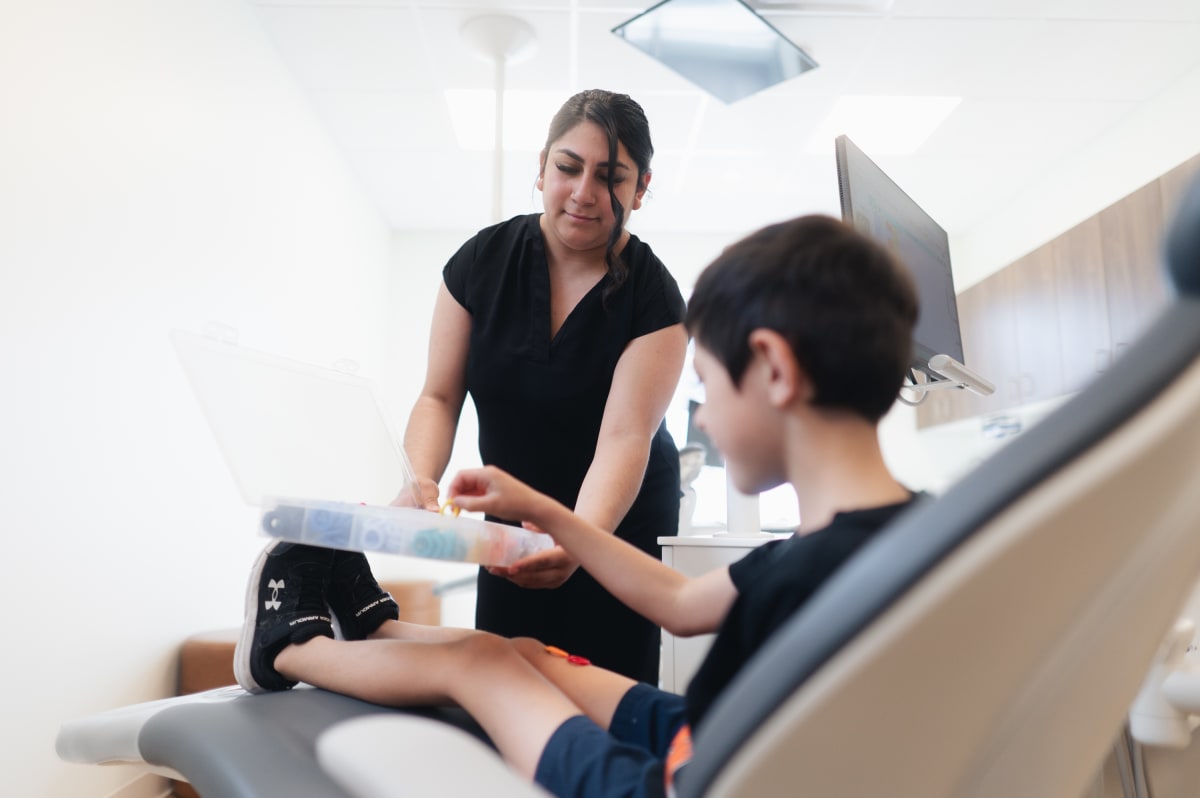
If you've been researching and feel ready to take the next step, we'd love to meet you and your child. That first visit is relaxed and pressure-free, and it's really about getting to know your little one, letting them explore our kid-friendly space, and giving you time to ask all those questions you've been wondering about.
Ready to Schedule?
Smile Vista is here for families throughout the Denver area at 4499 W 38th Ave #101. You can reach out online or give us a call at (303) 827-0606. We're here when you're ready.